Teach a man to fish: impact investments with charitable dollars
Sometimes God’s call on our lives comes through a quiet whisper—and sometimes, with an adventure halfway around the world.
For Mike, God’s invitation came through the latter. The call brought together Mike’s passions and expertise to ultimately fuel a young family’s livelihood. Only God could write a redemptive story that connected a fish farm in Kenya with a donor-advised fund in Michigan! The tool that helped Mike respond to God’s invitation was impact investing.

Impact investments utilizing charitable dollars
Impact investing is an investment strategy that prioritizes economic, social, and spiritual transformation alongside financial returns. Notably, it utilizes both “regular” capital and charitable capital, such as money held in donor-advised funds (DAFs or Giving Funds at NCF). Impact investing with charitable dollars is gaining steam across the nation. Before money is ultimately granted to charity, givers are realizing the opportunity to strategically invest and potentially grow the balance.
Impact investments take many forms. They might take the form of a low-interest loan to a charity that helps them complete a project. They can also take the form of direct equity investments, including limited partner interests in real estate, private equity, or venture funds. As our friends at Impact Foundationopens in a new tab point out, “Impact investing multiplies the opportunity for transformation. The same dollar of charitable capital can make an impact twice: first when invested in a transformational company; then, returns fuel future grants.”
A connection around the world
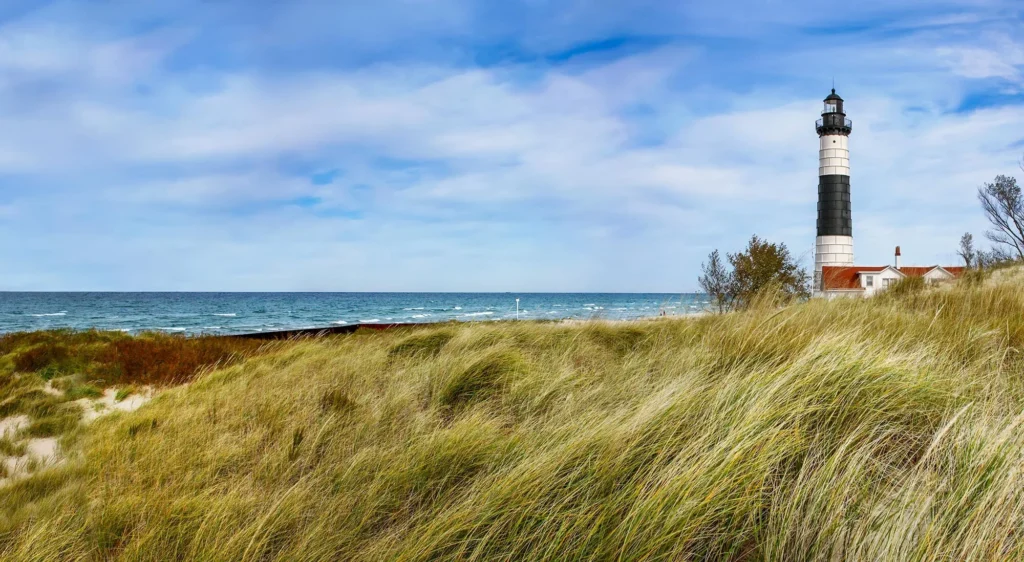
Before they ever heard of impact investing, Mike and his family were already passionate about stewarding everything God had entrusted to them. Mike grew up in West Michigan. He studied business and accounting at Hope College in Holland before starting a family. Mike has a heart for the local church and global missions. He wants to help people worldwide learn of Christ’s love and plan for their lives—people just like Paul.
Paul lives in Nairobi, Kenya. At a young age, Paul became involved in a child sponsorship program that helped provide him with healthy meals, medical care, and education. As he got older, he was identified as a hardworking and bright student for whom college would be a great fit. The nonprofit in charge of Paul’s program invited Mike to underwrite his secondary education. This would be a significant investment that could set up Paul for a successful career and financial stability. Mike and his family prayed about it and heard a “Yes” from God. With their financial and prayer support, Paul studied hard and earned his degree in aquatic science. This was the beginning of a new chapter.
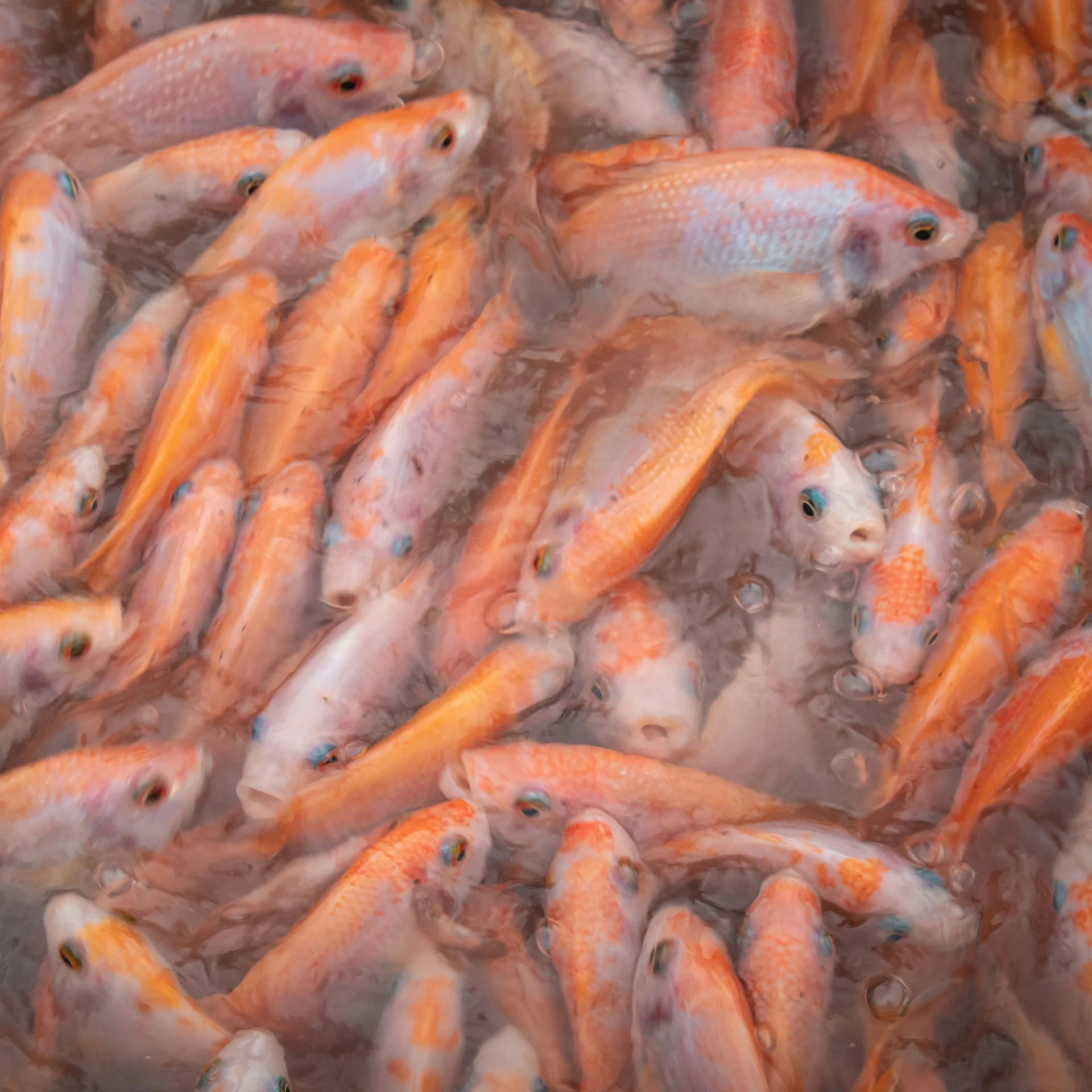
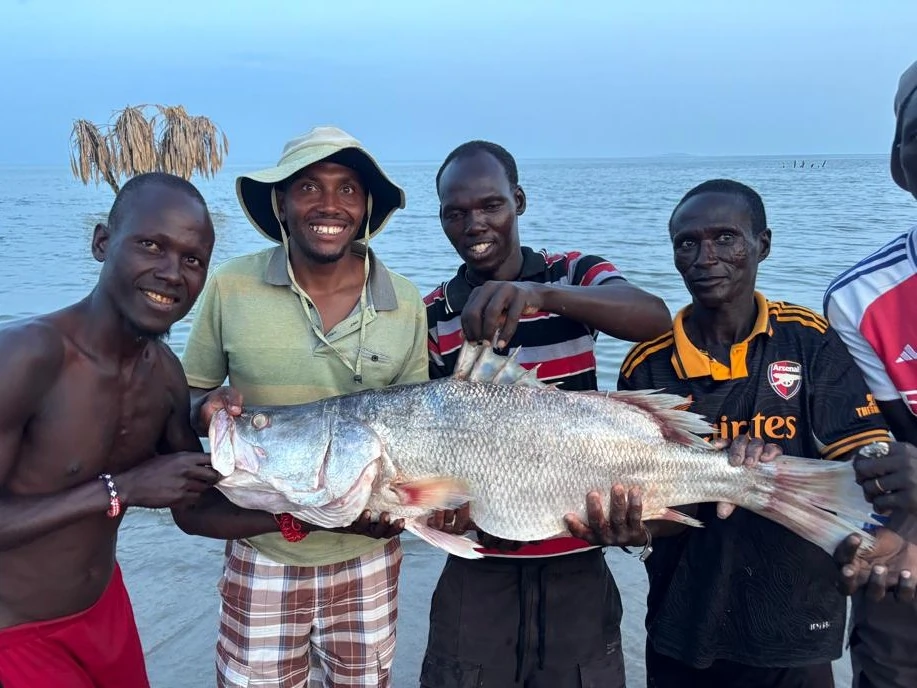
On a visit to Kenya, Mike was able to spend an entire day with Paul. Paul shared with him his dream of opening a fish farm to create a sustainable protein source for his community. This intrigued Mike, who could easily imagine the positive impact this could have for generations to come. Mike decided to extend an invitation. He said, “Paul, if you put together a business plan, I’ll consider being your funding business partner.” Soon they were moving forward together.
Challenges to overcome
Then the roadblocks started to pop up. Paul was still relatively young in his career and Mike was thousands of miles away. The original plan became derailed when the landowner took their promised parcel off the market. Paul no longer had access to the land needed for his fish farm. Though eager to help, Mike didn’t have the capacity to research, manage, and grow a project in another country. Paul’s fish farm would be hugely positive force in the community, but it was business-for-good, not a ministry. It needed to be self-sustaining in the long run.
While looking for potential solutions, Mike was referred to an organization called Small Farm Cities Africaopens in a new tab. Small Farm operates as a for-profit entity that builds sustainable micro-farms. It has a double-bottom-line philosophy of both people and profit. Small Farm invests in businesses that are good for people. The profits are used to pay back loans from investors and reinvested in expanded programming. Their expertise and mission seemed to closely align with Paul’s vision.
Patient capital for a worthy investment
Small Farms’ local team members met with Paul and were impressed with his business idea. They suggested moving Paul’s business to Kakuma, Kenya, where it can help employ and feed a nearby refugee camp that millions of displaced people call home. Together they revised the strategic business plan for increased longevity. Once again, Mike became a financial investor—this time, through an impact investment in Small Farms. This investment as a loan encouraged Paul to exercise his entrepreneurial skills for long-term success. Plus, the amount Mike was able to invest was greater than what he might have been able to give outright.
As Mike put his family’s Giving Fund dollars to work, he created positive change for a vulnerable population. This impact investment provides patient capital to a worthy project with incredible return. In an email to Mike, Paul wrote, “I want to thank you for empowering me, and I want to assure you I’m going to use your support to empower others as well.”
If you’d like to learn more about impact investing, using a donor-advised fund, or faith-forward investment strategies, please reach out to our team at 616.957.4372 or michigan@ncfgiving.comopens in a new tab.
 Faithful to the end: Steve’s legacy of generosity
 Flourish: A Celebration of Generosity with Chris Tomlin
 Women’s workshop: 5 ways we relate to God and money
 Prioritizing generosity in major-donor strategy