In an era of unprecedented wealth transfer, a new generation is stepping up to give with intention and steward their wealth faithfully. But who are the next generation of givers exactly? What matters to them? What challenges are they facing in stewardship and giving? And how can other generations of givers support them as they’re embracing generosity themselves?
These are the some of the questions we sought to answer in our comprehensive research report on Next Gen stewardship. We surveyed a group of Next Gen Christian givers (94% Millennials and 6% Gen Z) who see their wealth as a gift from God to manage wisely. We uncovered answers to some of our questions and discovered feelings and preferences that set them apart.
To bring the statistics to life, let us introduce you to just four of NCF’s Next Gen givers – men and women in different phases of life from different parts of the country, yet all with a passion for generosity and a deep desire to steward their wealth well.
Stephen Jackson
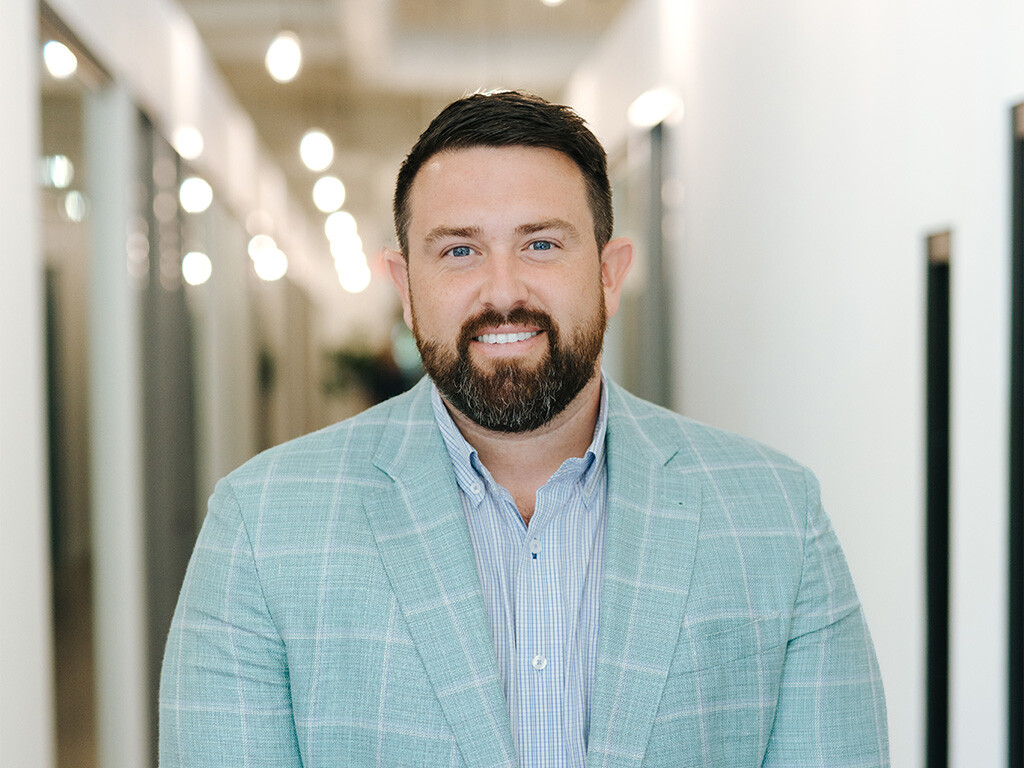
Everything about Stephen Jackson’s perspective on generosity changed when he met Matthew Hendley, NCF’s Generosity Ambassador for Georgia. Over dozens of coffees and conversations, Matthew’s mentorship helped Stephen understand what faithful stewardship and generous giving could look like for him.
“I’m just the manager of the resources that God – the true owner – has given me,” Stephen says. And as a young giver, relationships like the one with Matthew really helped him come to understand that.
So, when a significant event led to wealth in Stephen’s early twenties, Stephen already had a network to help him – pastors and other leaders and organizations like NCF. He found the support, guidance, and resources he needed to step into more generosity.
“That kind of mentorship in the early days of having wealth is so valuable. It didn’t just change the way I thought about money and giving. It changed me personally; it changed my heart.”
Like other Next Gen givers, Stephen and his wife, Misty, have learned to let their values and convictions guide their giving. “Years ago, Misty and I started asking ourselves, ‘What are the problems in the world that stir our hearts deeply?'” he says. “Our stewardship strategy involves granting to and investing in organizations and people who are doing work that solves these specific problems.”
It’s a personalized approach to giving that many Next Gen givers employ – because giving to a cause God has placed on your heart is a defining value for this generation – but details still matter. Next Gen givers like Stephen look for trust, transparency, and authenticity in the organizations they support.
“We want authenticity. And that means we may have to ask more questions before we deploy our capital to you. It’s not to be critical. It’s proof that, even as young givers, we take this seriously.”
Stephen now leads an advisor training program for Faith Driven Investor and Solving the World’s Greatest Problems. He hopes to inspire them to help the next generation of givers start leaving their own legacy now.
“Our generation cares about the impact we make in this world. We just need other voices to remind us that we can start making that impact now.”
Kate Gardner
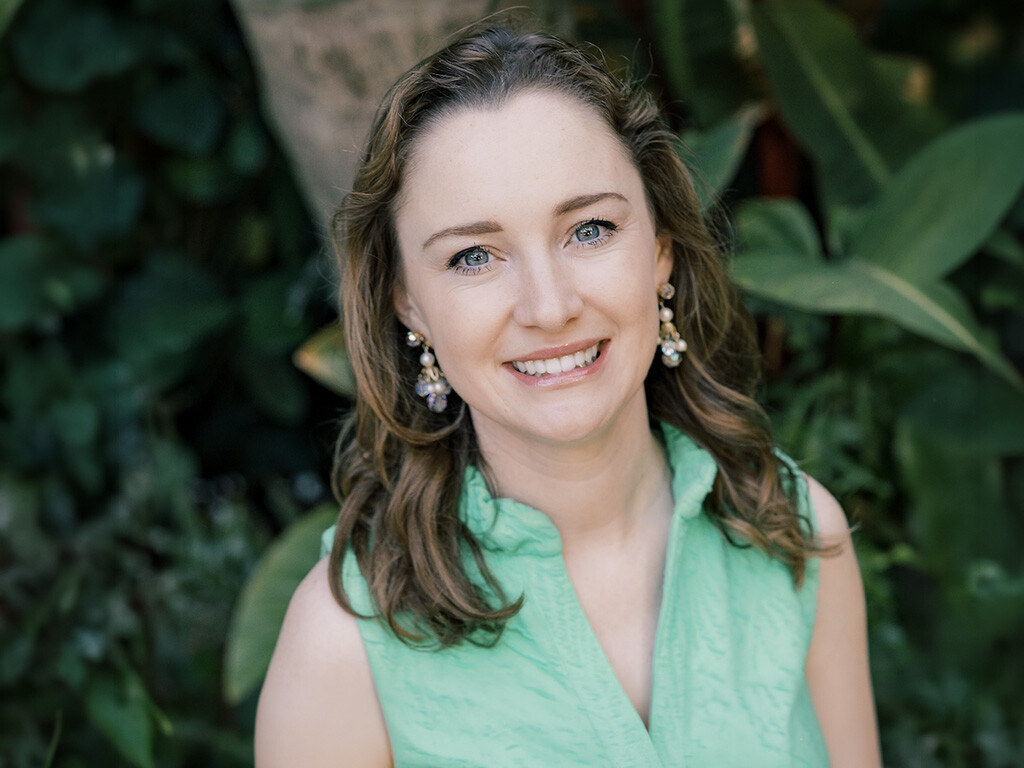
Kate Gardner felt a divine calling toward a path of generosity for her life in the back of a New York City taxi cab. She was listening to an audio recording of Gospel Patrons, and remembers God’s words distinctly: “You can do this, Kate. This can be the path for your life. You can be a gospel patron.”
After inheriting significant wealth at 21, it happened. She began following the example of giving her parents set, seeking biblical counsel, and tithing from what she’d received. In total, she gave away more than a million dollars in the first few years and fell in love with giving.
She saw it as her calling – not an obligation but a vocation.
Today, Kate is 32 and fully focused on philanthropy. She supports 60+ missionaries worldwide according to a “three-pronged” strategy: financial support, relational encouragement, and spiritual investment through prayer.
“I don’t want my giving to feel transactional. I don’t want to write a check or make a grant and never really know more about the people or work it’s supporting. If they’re open to more of a relationship, that’s really important to me.”
Kate also works to connect with others in the next generation through Magnify, an online community she created for Christian inheritors who want to focus on stewardship. With about 200 members, it’s become a gathering for a generation that wants to steward capital – and do so in community.
“I think sometimes other generations can miss seeing our desire to give while we’re young,” Kate says. “But we’re here, we’re giving, and we’re growing together. And we’d love to have more mentorship from people who’ve been doing this longer than we have.”
Generosity is not about the size of your gift, Kate tells peers. It’s about the posture of your heart. “Don’t discount this important part of your faith. No matter what you can give, I would encourage you to remember just how central generosity is to serving God.”
Mike McLain
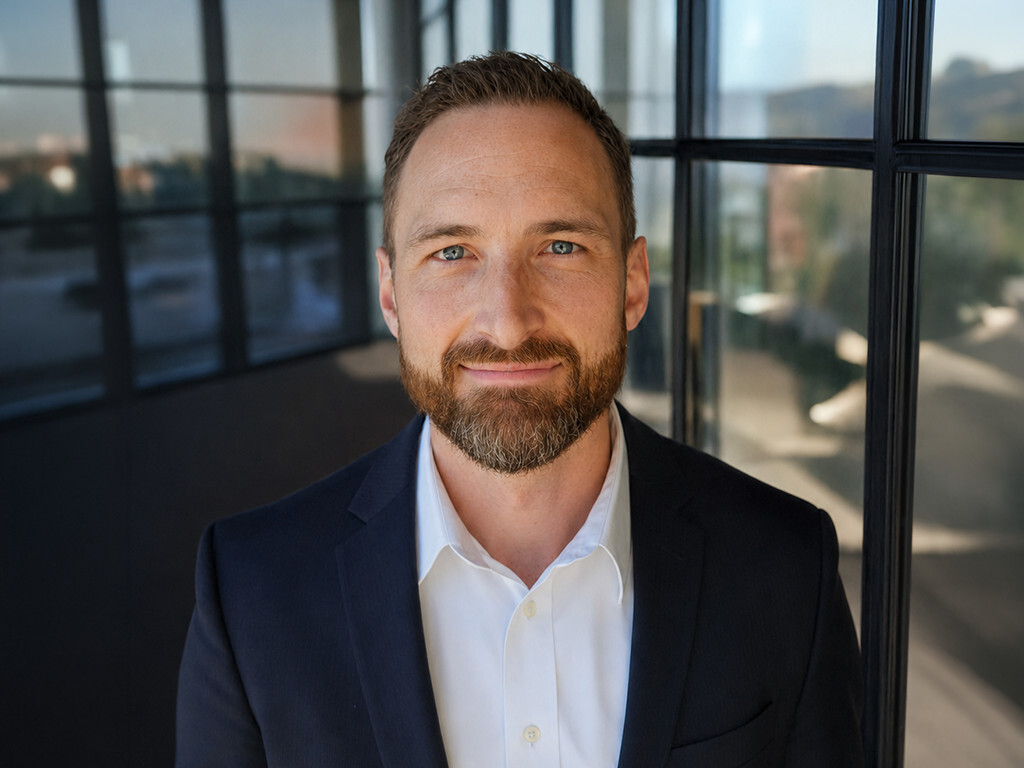
Mike McLain never expected to be in a position to give a lot away. But after serving 15 years in the Air Force, he made a decision that would change both his life and his capacity for giving. Stepping out in faith, he launched his own business, Limitless Consulting, in Colorado and the possibilities for generosity became … well, limitless.
“A big part of this journey as an entrepreneur has been the realization that, if I invite God in, there are no limitations to what he can do through the company,” Mike says. “And I never want to limit what God can make possible.”
Mike sees generating kingdom resources as his company’s purpose. So, he committed to granting 10 percent of the revenue toward causes that have captured his heart. And as it often is for Next Gen givers, it’s a decision made from a personal sense of purpose.
“How did God uniquely create me? What is the purpose he’s imprinted on my heart specifically? The answers to those questions are the why behind my giving. Responding generously to that sense of purpose is my limited role in the work God is doing to see his gospel reach every person in every corner of the world.”
As part of that role, Mike looks to find organizations to support that match three personal values he’s set for himself. “I look for the head, the heart, and God,” Mike says. “The head is the basic financials of the organization and how they use the funds given. The heart is the relational connection. Is this more than just writing a check? And then, I always look for God. Is faith a priority for the organization? How do can I see God at work in what they’re doing?”
Like other givers of his generation, Mike doesn’t just want to sit on the sidelines. He wants to be a part of the work God is doing through the organizations he supports.
“I want to go and experience the fruit of generosity firsthand. I want to surround myself with believers who are joyful and excited. I want to see the missionaries that are working every single day to see the gospel shared. I thank them, support them, know them. And you simply can’t do that by just writing a check.”
Emily Hays
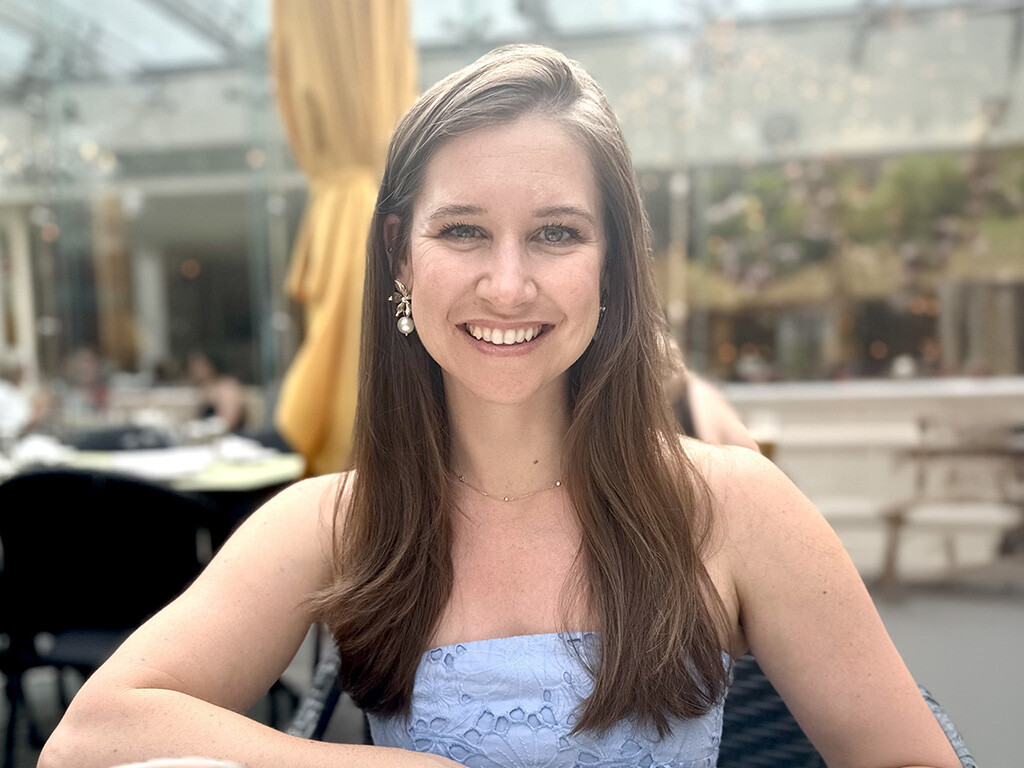
Generosity has always been part of the conversation for Emily Hays. She grew up with parents who modeled the value of giving and spoke often about generosity as a part of faith. Now, as a managing strategy consultant for IBM in New York City, Emily feels called to follow their lead.
Like many Next Gen givers at the starting line of personal generosity, Emily’s primary goal is to discern where to give, how to give, and why to give.
“I’m praying for vision as I learn to give in a way that’s aligned with how God’s gifted me and what he’s put on my heart,” Emily says. “Most of my giving so far has been proximity-based without much clarity as to why I’m saying ‘yes’ to this or ‘no’ to that. Now, I’m excited to see it evolve to be more values based.”
That exploration isn’t always easy. Like other Next Gen givers, she’s found herself facing challenges unique to her season of life, including an increasingly expensive cost of living, saving for retirement, learning how to invest, and the reality of giving as a single woman.
“I think other Christians my age are also trying to find that balance of wisely spending, saving, and giving,” Emily says. “I’m constantly having to remind myself to take God at his Word. He has and will provide for me.”
As she’s building a career, establishing wealth, and discovering her own path toward generosity, Emily is seeking out resources that encourage givers like her where they are now.
“There’s a lot of single women out there like me who are also learning how to steward their resources well. I’d love to see more conversations about financial literacy and money geared toward those of us in this stage of life.”
For Emily, some of those conversations have started after getting connected to a generous community.
“When I moved to New York, I immediately sought out NCF,” Emily says. “I wanted to stay close to an organization that would help me learn more about the needs in New York and connect with generous people in the city as I stepped into the giving community here.”
It’s a step she encourages other Next Gen givers to take too.
“Generosity is a muscle, and muscles have to be developed to get stronger. For me, that muscle really gets stronger when I’m developing it alongside others who give, not because they have to but because they’re called to.”
These are the next generation of givers. Shaped by faith, guided by purpose, and eager for community, they’re learning what it means to steward and give their wealth freely and generously. And this is only the beginning of the impact of their faithful giving.
